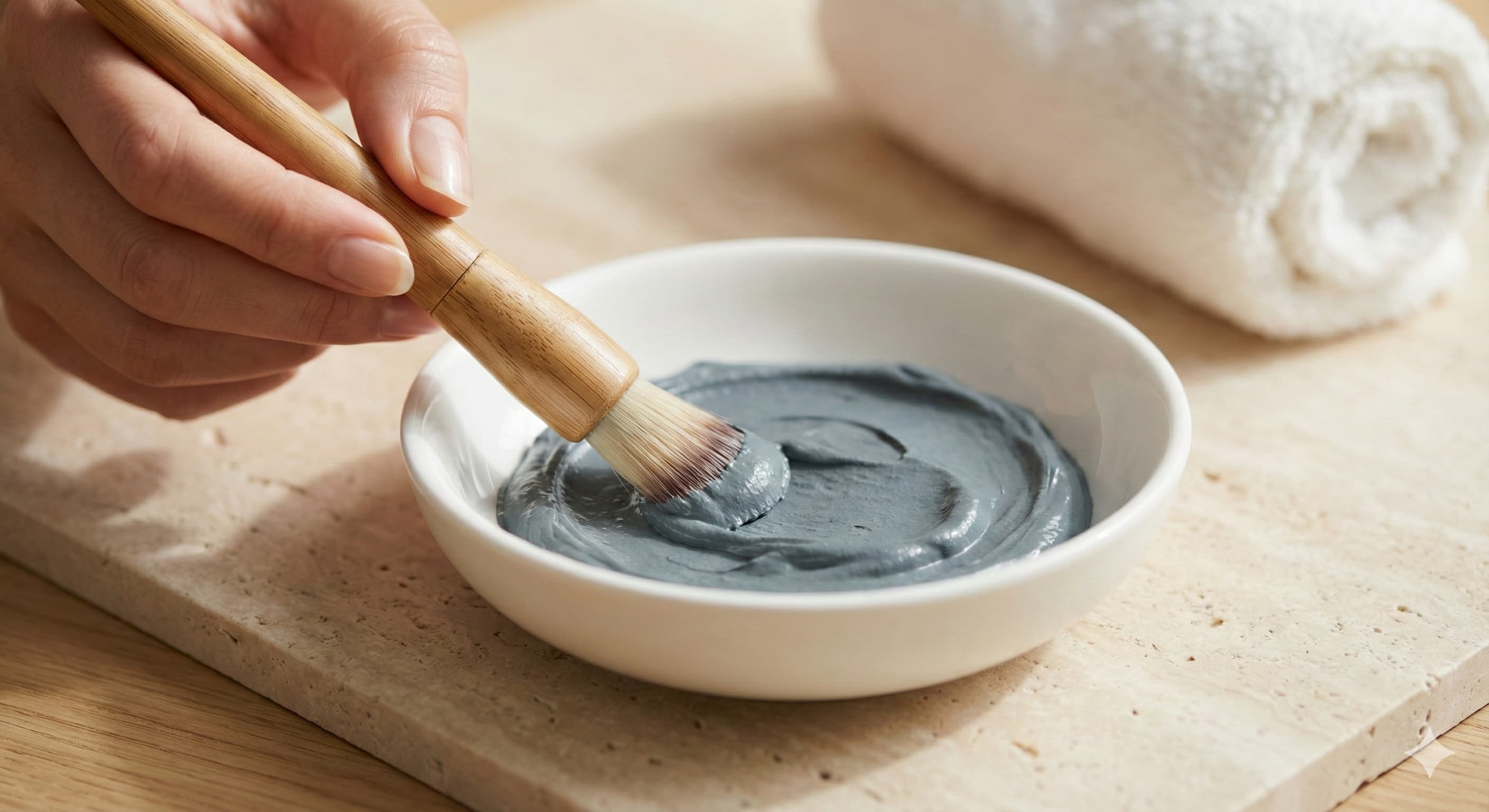
How to Use Face Masks
- Prep: Wash your face. Masks work best on clean skin.
- Apply (clay or cream): Spread an even layer. Avoid the eyes and lips.
- Apply (sheet mask): Unfold carefully and smooth it over your face to remove air bubbles.
- Time it: Check the package. Usually 10-20 minutes.
- Removal:
- Clay: Rinse off with warm water before it cracks and dries out completely.
- Sheet: Peel off and throw away. Do not wash your face. Rub the leftover serum into your skin.
- Lock it in: Apply moisturizer.
Pro Tip
Put a sheet mask in the fridge for 10 minutes before use for a cooling, de-puffing effect.
Masks should be occasional support pieces, not the product doing all the work in your routine.
As an Amazon Associate I earn from qualifying purchases.
mask
drugstore
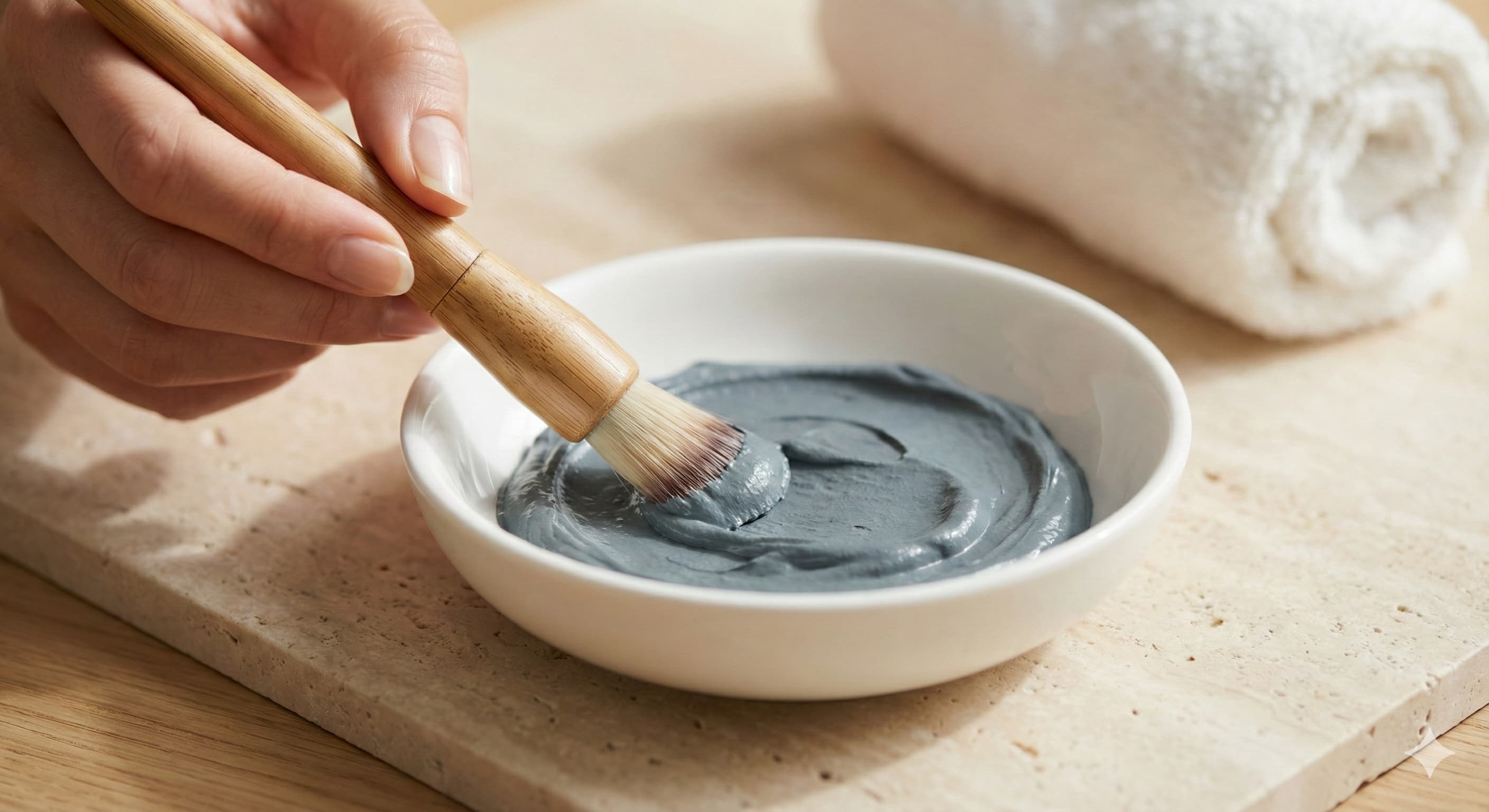
Clarifying Clay Mask
A clay mask is useful when your skin feels extra oily or congested, but only if you rinse it before it turns into a desert.
Best for: Oily T-zones and blackhead-prone skin.
Watch for: If you are dry or sensitive, use it only on the nose and forehead instead of the whole face.
mask
drugstore
Hydrating Sheet Mask
Sheet masks are better framed as a hydration reset than a miracle treatment, which is exactly why they are helpful when used honestly.
Best for: Dry or travel-stressed skin.
Watch for: Do not leave it on until it dries out.
Frequently Asked Questions
One to two times a week is standard.
No. If it dries on your face, it starts pulling moisture out of your skin.
Using a clay mask on your oily T-zone and a hydrating mask on your dry cheeks at the same time.
No. The residue is good serum. Leave it on.
When clay cracks, it causes micro-irritation and pulls out natural oils you need.
Not necessarily. Many affordable masks have great ingredients.
No. It is full of bacteria once it touches your face.
After washing, but before moisturizing.
Charcoal or clay masks help draw out oil.
Sheet masks or cream masks with hyaluronic acid are best.